

Summary:
Fabrication Nation Limited, a textile company, lost a $500,000 deal due to inefficient file-sharing methods, highlighting the critical importance of modern digital communication tools. Their outdated systems couldn't handle large file transfers, causing delays and ultimately losing the client's trust. Businesses must adopt professional file transfer services to ensure seamless, reliable communication and maintain their professional reputation.
The Cost of Inefficiency
Imagine this: a half-million-dollar deal, ready to be signed, sealed, and delivered. The product is perfect, the client is excited, and the price is right. But the whole thing falls apart... because of a single email attachment.
This isn’t a made-up fantasy. This is a story about Fabrication Nation Limited a well-established textile company that learned a hard lesson.
The Golden Opportunity
Fabrication Nation has been in the textile business for decades. They’re known for their craftsmanship and quality, and their reputation has kept them busy. But they’ve been looking for a breakthrough—a big, high-profile project that could take them to the next level.
Then came Mr. Zala (real name redacted). He represented a major fashion brand looking to create an exclusive line of custom fabrics. The initial talks went great, and the potential order was worth a cool $500,000. The team at Fabrication Nation was on cloud nine. All they needed to do was get the final design files to Mr. Zala for his approval.
But the files were high-resolution textile patterns, CAD files, and color profiles—were large. Too large for their current system.
The Reality of Email File Limits
The team's first move was to use their standard corporate email. This is where they hit the first, most common barrier.
- Google's free email (Gmail): Has a hard limit of 30MB for attachments.
- Microsoft 365 (Outlook): The default limit is typically 25MB, though it can be increased by an IT administrator up to 50MB
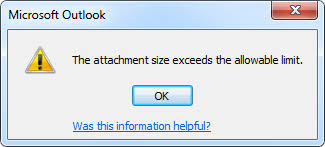
Even with an upgraded business account, the burden is on the sender to know the recipient's limits. Fabrication Nation tried to send the files, only to have them bounce back. Mr. Zaala's own email server had an even stricter limit. The files never arrived.
The Workaround Whirlwind
Their attempts at workarounds only compounded the problem. They tried to send the files via their old FTP server. This failed because of a clunky, outdated interface and obscure technical requirements that Mr. Zala couldn't navigate. The files were on the server, but they were digitally locked away from the person who needed them most.
In a scramble, they tried sending a file via WeChat. The problem here wasn’t size, but a lack of synchronization. Messages and files sent on the mobile app often don’t appear on the desktop client, leading to critical documents going unseen.
Finally, in a desperate attempt, someone sent a Dropbox link. While the initial link successfully reached Mr. Zala at his office in the US, the problem was far from solved. When his team tried to reshare the link with the Fabrication Nation office in China for their feedback, the link simply failed to open. Like many other global file-sharing services such as Google Drive and OneDrive, Dropbox is blocked by China’s Great Firewall, making it completely inaccessible. The US and China offices, just a few clicks apart on the same project, were suddenly on two different islands, unable to connect. This common regional restriction is a huge pain point for any business operating globally and trying to maintain a seamless workflow.
The Cost of Inefficiency
Days went by with no sign of the files. Mr. Zala, on a tight deadline, assumed Fabrication Nation wasn't capable of handling the project. He took his $500,000 order elsewhere.
This loss wasn’t due to bad pricing or a sub-par product. It was a failure of process. It was a failure to deliver a critical digital asset efficiently and professionally.
This story isn't unique to "Fabrication Nation." It’s a common scenario in businesses still relying on outdated tools. The workarounds—be it clunky FTP servers, un-synced chat apps like WeChat, or flawed link-sharing from services like Dropbox—only add layers of friction and risk.
A Smarter Way to Send Files
The truth is, there’s a better way. Modern businesses can't afford to be limited by a 25MB attachment size. The solution isn't about finding another workaround; it’s about choosing a tool built for the job.
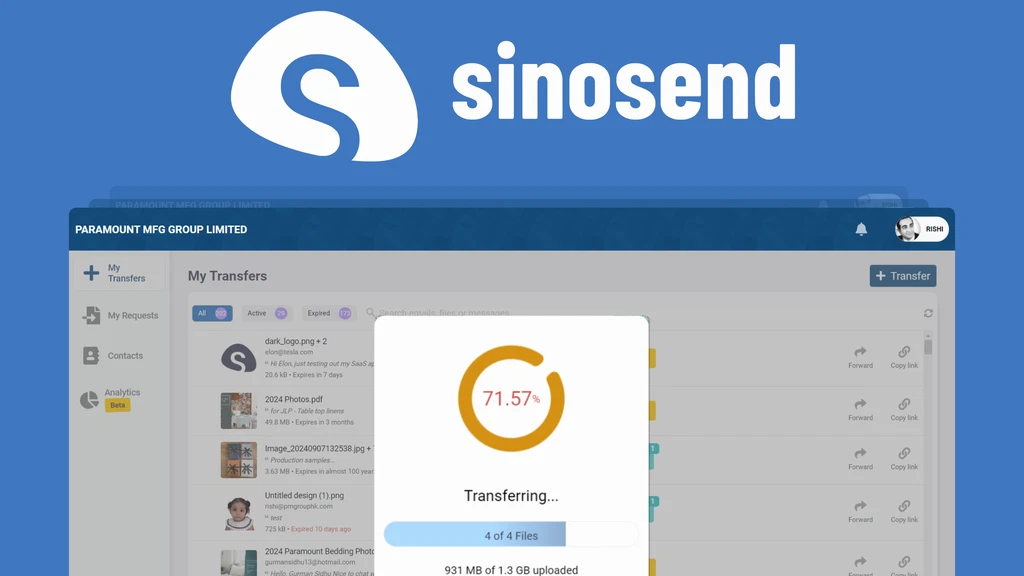
Tools like Sinosend were built to solve these exact problems. They allow businesses to handle the real-world demands of large files and complex communication workflows. A professional file transfer service can handle massive files—up to 100GB in a single transfer—and provide crucial features like file requests, so you can get the documents you need from clients without any hassle. The real-time tracking gives you confirmation that your files were delivered and viewed, eliminating the guessing game and building trust with your partners.
For Fabrication Nation, the right tool could have saved them the deal. A professional file transfer service could have provided a branded, secure digital sales portal for all their files and communications. With a custom domain name, they could have given Mr. Zala a seamless, branded experience that felt professional and reliable from the very first click.
The lesson is clear: your file-sharing process is part of your professional reputation. Don't let a simple technical limitation be the reason you miss out on your next big opportunity.